







Search Results for: Red Wine Processing Method
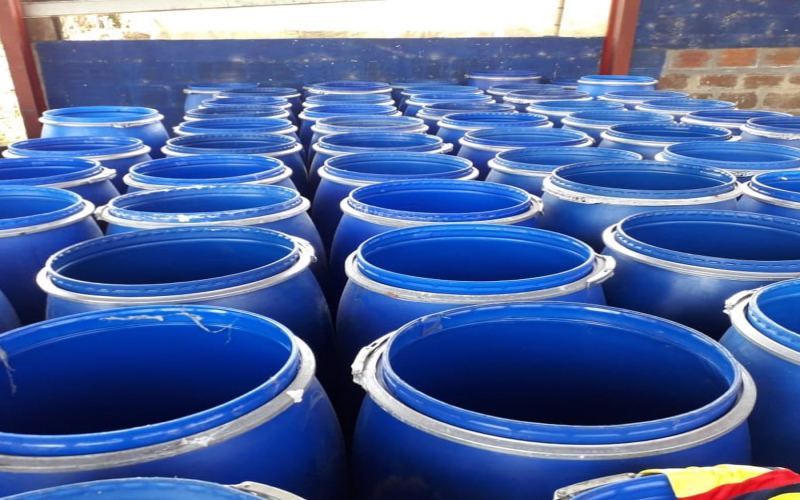
A Comprehensive Analysis of Specialty Coffee Processing Methods: The Craft and Flavor of Anaerobic Fermentation, Barrel Aging, and Wine Infusion
In recent years, an increasing number of specialty green coffee beans processed with special processing methods have appeared on the specialty coffee market. Is this really something to be happy about? Front Street Coffee believes that special processing methods were originally intended to give the flavor of coffee beans from a certain producing region more distinctiveness. However, as their use has continued to expand, some processing methods today seem to be more about masking the defects of the coffee beans themselves and then selling them at a high price. In fact, all special processing methods have evolved around the three traditional methods: washed, natural, and honey. This article will systematically sort out the most common types of special processing methods on the market, including anaerobic fermentation, barrel fermentation, and red wine processing, and, combined with Front Street Coffee's cupping experience and specific products, analyze their processing procedures and flavor characteristics. [more…]

Washed Processing vs. Red Wine-Style Natural Processing: A Full Analysis of Flavor Differences, Process Pros and Cons, and Taste Characteristics
What do the labels commonly seen on coffee packaging—natural, washed, honey—actually mean? This article focuses on the natural process and its innovative offshoot, the red wine–style natural process. Starting from the structure of the coffee fruit, it breaks down in detail the steps of the natural method, its cost advantages, and defect risks, and further explains how the red wine process uses controlled fermentation to enhance sweetness, cleanliness, and complex acidity. The article also draws on specific products such as Front Street Red Cherry, Huakui, ALO, and the Panama Hartmann Estate to show how traditional natural and red wine natural coffees actually perform in aroma and mouthfeel, helping coffee lovers understand more clearly how processing methods influence the flavors in the cup. [more…]
Front Street Colombia Wine Process Coffee Beans: A Complete Guide to Flavor Characteristics, Grind Parameters, and Cloud Estate Origins
In recent years, red wine processing has attracted much attention in the specialty coffee world. Drawing on the fermentation control concepts used in winemaking, it intervenes in pH, temperature, humidity, and microbial conditions to give coffee beans a rich acidity and complex aroma reminiscent of red wine. This article will start with the flavor differences between lactic acid fermentation and acetic acid fermentation, outline the specific operational process of red wine processing, and combine it with the origin information of Front Street Colombia Red Wine Process—the eastern slopes of the Andes in Cundinamarca Department, a growing altitude of 1,800 to 2,000 meters, and the anaerobic fermentation practice of Remi Sultan in sealed metal containers—to provide coffee lovers with a complete set of flavor descriptions and grinding setting references. [more…]
Wine Process Coffee Bean Flavor Analysis: Front Street Explains the Differences Between Acetic Acid, Lactic Acid, and Mixed Fermentation
The red wine process is a method of processing green coffee beans that draws on winemaking concepts, and currently only a few estates in Colombia have successfully commercialized it. Depending on the fermentation environment, it can be divided into three types: acetic acid fermentation, lactic acid fermentation, and mixed fermentation, each presenting distinctly different flavor characteristics. At the same time, the washed method and the semi-washed method (honey process) remain the most mainstream processing methods in the specialty coffee field, and many of Front Street Coffee's representative beans use these techniques. This article will systematically sort out the classification and flavor performance of the red wine process, and compare the processing flows of washed and semi-washed methods, to help coffee enthusiasts more clearly understand the impact of processing methods on the flavors in the cup. [more…]
Ethiopia Guji Region Red Wine Process Coffee: Flavor and Pour-Over Parameters of Delly G1
Ethiopia, as the birthplace of Arabica coffee, typically relies on washed or natural processing, making honey processing already rare, while red wine processing is even more of a rarity. The Ethiopia·Deli that Front Street Coffee is sharing this time comes from the Guji region, uses red wine processing (i.e., carbonic maceration), features the local native variety Heirloom, is grown at an altitude of 2000-2200 meters, and is graded G1. This article will guide you through the terroir conditions of the Guji region, the principles and characteristics of red wine processing, and include Front Street Coffee's roasting curve and pour-over recommendations to help you gain a comprehensive understanding of this uniquely flavored coffee. [more…]
Hartmann Coffee Beans Red Wine Processing Brewing Guide: V60 Parameters and Fermented Wine Aroma Presentation
The wine process, also known as the controlled fermentation method or lactic/acetic fermentation method, was developed by a team led by Felipe Sardi of the United States, whose members include biological scientists and ecologists. Strict standards are enforced during picking: underripe cherries below 2%, defective beans below 3%, and floating beans below 5%. This processing method is divided into two paths: aerobic acetic fermentation and anaerobic lactic fermentation. The former has a cleaner and brighter acidity with citric notes; the latter has a rounder mouthfeel and higher body, but slightly lower cleanliness, displaying malic and tartaric acid characteristics. Batch consistency is achieved through pH monitoring. Wine-processed green beans are darker in color, with silver skin appearing wine-red or brownish-red. Front Street Coffee's Panama Hartmann is a representative example, and this article shares its pour-over parameters and flavor performance. [more…]
Front Street Colombia Red Wine Processing Method Explained: Key Points of Red Honey, Natural, and Washed Processing and Fermentation Control
This article focuses on a Colombian red wine process coffee bean launched by Front Street Coffee, providing a detailed introduction to its complete process from depulping and washing to 20.6 hours of fermentation in a no-water fermentation tank and then 10 days of sun drying on raised beds, and sorting out core information such as producing region, estate, altitude, bean variety, and cupping. It also compares the flavor differences between acetic acid fermentation and lactic acid fermentation, explains the distinction between traditional manual operation and controllable fermentation methods in terms of quality stability, and offers grinding size recommendations using the Yangjia Little Pegasus grinder as a reference, so coffee enthusiasts can adjust flexibly according to actual brewing conditions. [more…]
A Complete Guide to Colombia Wine Process Coffee: From Fermentation Principles to Front Street Coffee Jiu Kui Brewing Instructions
The red wine process is an innovative green bean processing technique originating from Colombia that precisely shapes the acidity and sweetness of coffee through artificially controlled fermentation conditions. This article provides a detailed overview of the historical background, scientific principles, and specific operational procedures of this processing method, and takes an in-depth look at the origin information, flavor characteristics, and pour-over recommendations of Front Street Coffee's Colombia Nine Suns Red Wine Process coffee. Whether you want to understand the difference between acetic acid fermentation and lactic acid fermentation, or you are looking for a bean with prominent sweetness and elegant acidity, this content offers practical reference. [more…]
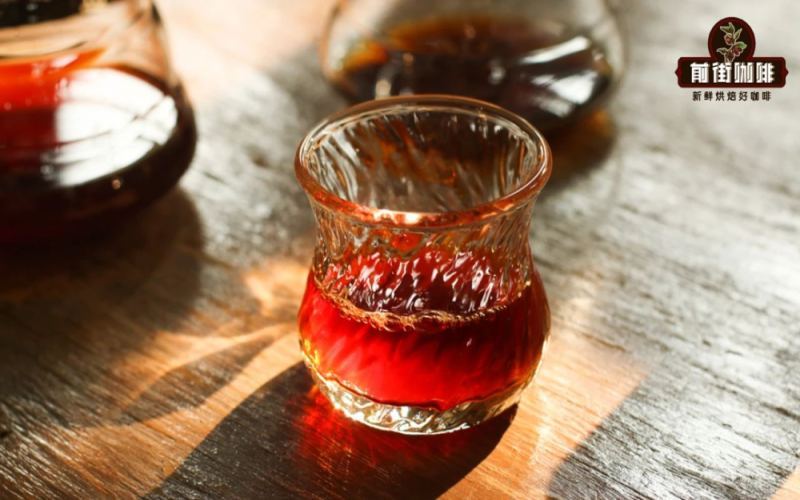
Anaerobic Fermentation and Red Wine Processing: The Principles, Evolution, and Front Street Brewing Practices of Specialty Coffee Bean Processing Methods
In recent years, anaerobic fermentation and red wine processing methods have continued to gain popularity in the specialty coffee world. From the promotion by 2015 WBC champion Sasa Sestic to the early explorations of Costa Rican coffee farmers, these processing techniques, which draw on winemaking ideas, have brought coffee rich flavors such as strawberry jam, fermented wine aromas, and tropical fruits. This article systematically reviews the scientific principles of anaerobic fermentation, its essential differences from traditional processing methods, and the specific operational workflow of carbonic maceration. It also combines two representative beans from Front Street Coffee—Colombia Flower Moon Night and Panama Hartmann—to share roasting and brewing parameters, helping coffee lovers gain a deeper understanding of the core logic of this special processing method. [more…]
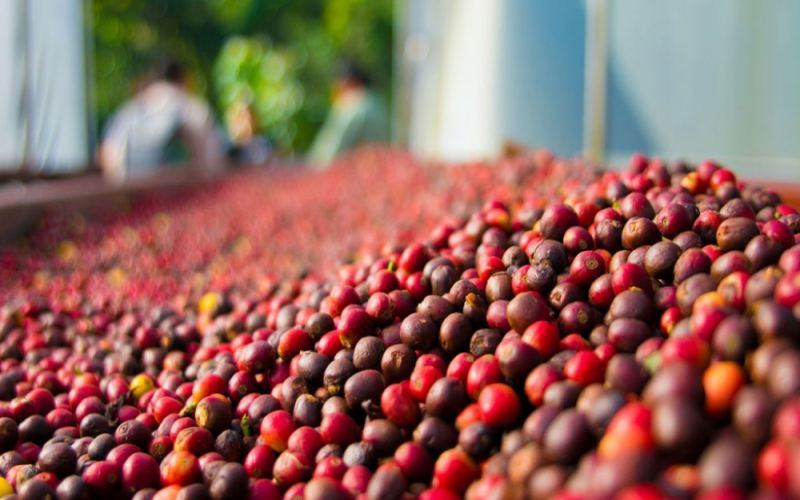
Panama Hartmann Estate Wine Process Coffee: Fermentation Craft Analysis, Catuai Variety, and Brewing Flavor
Is red wine processed coffee made by soaking the beans in red wine? Does it contain alcohol? These are common questions among many coffee lovers. In fact, this processing method borrows the fermentation logic of wine-making, rather than directly soaking coffee beans in red wine. In this article, Front Street Coffee takes you deep into the red wine processed Catuai coffee beans from Hartmann Estate in the Volcan region of Panama: from the estate's background and the variety's origins, to the specific controlled fermentation process and flavor performance. We also share Front Street's roasting curve, cupping results, and V60 staged pouring parameters to help you understand what makes this bean so unique. [more…]

Where do the red wine and whiskey aromas in coffee come from? How do cold brew, ice drip, and iced coffee present fruit wine flavors
In coffee flavor descriptions, wine-inspired terms such as red wine, champagne, and whiskey are common, and many consumers wonder: does coffee contain alcohol? Can you drive after drinking it? In fact, these wine-like aromas come from the aromatic molecules in the coffee itself, not from added alcohol. From the perspective of Front Street, this article systematically sorts out the sources of wine-like aromas in coffee, focusing on the effects of processing methods, roast level, and extraction method on the expression of wine-like aromas, and explains why cold brew, ice drip, and iced brewed coffee can present fruity wine flavors. At the same time, readers are reminded to distinguish between black coffee and specialty coffee drinks, to avoid the risk of drunk driving caused by alcohol contained in specialty coffee drinks. [more…]
Panama Hartmann Estate Wine Process Coffee: Volcan Region Flavor, Catuai Variety, and Light-Medium Roast Analysis
The Volcán region of Panama has risen to prominence in the specialty coffee world in recent years, and Hacienda Hartmann is truly a pioneer of this land. As a century-old family estate, Hartmann is not only renowned for its shade-grown cultivation and bird-friendly practices, but also shoulders the management of well-known estates such as Hacienda La Mula. This article focuses on Front Street Panama Hartmann Estate Red Wine Process coffee, providing a complete analysis of this unique coffee—which combines red wine fermentation notes with tropical fruit flavors—covering the Volcán region's microclimate, the legendary history of the Hartmann family, the fermentation principles of the red wine process, the green bean characteristics of the Catuai variety, the light-medium roast profile design, and cupping and brewing performance. [more…]
Front Street Colombian Wine Processed Coffee: Medium Roast Flavor Analysis and Pour-Over Parameter Sharing
This Colombian red wine process coffee from Front Street Coffee offers rich layers of flavor, with maple syrup sweetness interwoven with malt sugar aroma, lively and bright citric acidity, an impressively creamy and full-bodied mouthfeel, and a clean finish with a long-lasting sweet aftertaste. It is medium-roasted and packaged in a half-pound bag with a one-way degassing valve, suitable for pour-over, siphon, or cloth filter brewing. This article will provide a detailed introduction to this bean's processing method and origin information, along with suggested pour-over parameters for coffee enthusiasts to reference and adjust. [more…]

Analysis of Coffee Flavors from Carbonic Maceration: The Wine-Making Process and Operational Flow of CM Processing
Carbonic maceration processing, also known as the CM process, falls under the category of anaerobic processing. In 2015, Sasa won the World Barista Championship with this type of coffee bean, bringing this innovative technique into the public eye. The method was inspired by red wine making, achieving fermentation by injecting carbon dioxide into a sealed stainless steel tank. The CM process has two versions, natural and washed, differing in the material fermented inside the tank. This article provides a detailed analysis of its flavor characteristics, processing flow, and key control parameters, along with related product recommendations from Front Street Coffee. [more…]
Is red wine process coffee soaked in red wine? Analyzing the winy natural process at Hartmann Estate and its flavor profile
Front Street Coffee was recently asked: Does the red wine process mean soaking coffee beans in red wine? Will the finished product contain alcohol? In fact, the red wine process simply borrows the idea of wine fermentation to process coffee cherries; it does not involve soaking in red wine. During fermentation with the mucilage, a trace amount of alcohol is indeed produced, but after high-temperature roasting it has long since evaporated completely, so there is no need to worry about residue. In this article, Front Street Coffee takes the red wine process coffee beans from Panama's Hartmann Estate as an example, from the estate's background, the characteristics of the Catuai variety, and the operational details of controlled fermentation, to the roasting curve, cupping report, and V60 brewing parameters, to fully break down how this coffee with vinous notes is born. [more…]
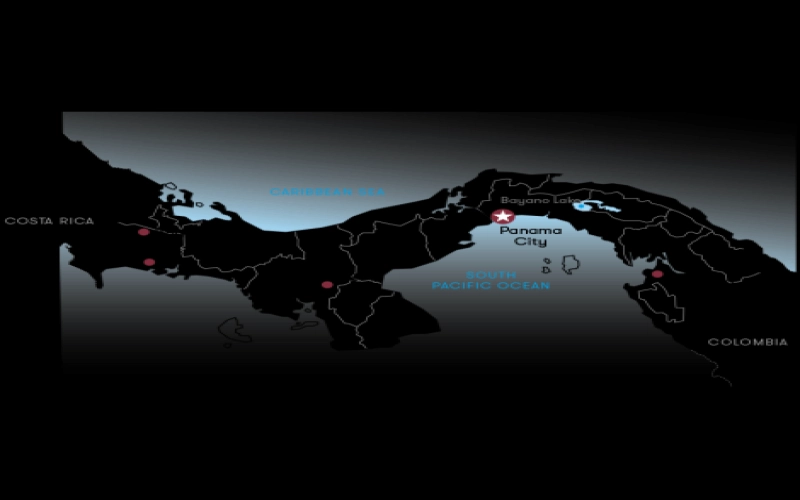
The Origin Stories of Panama Geisha Coffee Beans from Three Famous Estates and an Analysis of Red Label Geisha's Flavor and Taste
Panama Geisha coffee is renowned worldwide for its scarce production and exceptional quality. Front Street Coffee has been roasting Panama Geisha year-round and knows well the preciousness of its green beans and the challenges of roasting. This article will take you into Panama, a famous coffee country in Central and South America, and comprehensively analyze the reasons behind the outstanding quality of Panama Geisha green beans, from the climate of the producing regions and cultivation methods to the history and terroir of Hacienda La Esmeralda, Elida Estate, and Hartmann Estate. The article will also share Front Street Coffee's brewing recommendations and flavor descriptions for Red Label Geisha, Elida Typica, and Hartmann wine process, suitable for every reader who loves specialty coffee and wants to gain a deeper understanding. [more…]
Colombia Huila Finca Virginia Pink Bourbon Double Fermentation Flavor Analysis and Anaerobic Processing Method Exploration
The Red Bourbon double-fermented coffee produced by Finca Virginia in Colombia's Huila Department, with its complex flavors of wine-soaked cherries, dried figs, and longan honey, along with a full-bodied, red-wine-like mouthfeel, has become a highly anticipated micro-lot in the specialty coffee world. This article will provide an in-depth analysis of the flavor origins of this Front Street Coffee recommendation, explore the processing characteristics of double fermentation and anaerobic methods, and introduce the terroir conditions of the Planadas producing region in Huila Department along with the overall landscape of Colombia's coffee industry. [more…]

A Full Analysis of the Origin Story, Processing Method, and Flavor Profile of Costa Rican Honey-Processed Coffee
The honey process was pioneered by Costa Rican coffee farmers and has now become a widely adopted processing method in Central America. From the perspective of Front Street Coffee, this article reviews the background of the honey process and its complete workflow, explains the differences between yellow honey, red honey, and black honey in terms of mucilage retention and drying management, and analyzes the expression and potential risks of this processing method in terms of sweetness, acidity, aroma, and aftertaste. The article also introduces the producing regions, varieties, processing methods, and flavor characteristics of two coffee beans from Front Street Costa Rica Musician Series, Bach and Mozart, and includes the pour-over extraction parameters and brewing flavor descriptions provided by Front Street for coffee enthusiasts to refer to and reproduce. [more…]
The Legendary Story of Panama's Hartmann Estate and an Analysis of Its Wine Process Characteristics
In the pristine forests of Chiriquí Province, Panama, there lies a coffee estate steeped in a century of legend—Hartmann Estate. Founder Luis Hartmann, who went from a World War I orphan to a pioneer in a foreign land, wrote his family's coffee epic through sheer resilience. Today, this estate, now in the hands of the fifth generation, not only upholds tradition but also endows its coffee with a distinctive flavor through red wine processing. In this article, we will guide you through the corridors of Hartmann Estate's history, reveal how its rigorous cupping laboratory ensures quality, and savor the rich body and fruity notes brought by the red wine process. Front Street Coffee has always followed such specialty coffees and invites you to explore the flavor code behind this legend together. [more…]
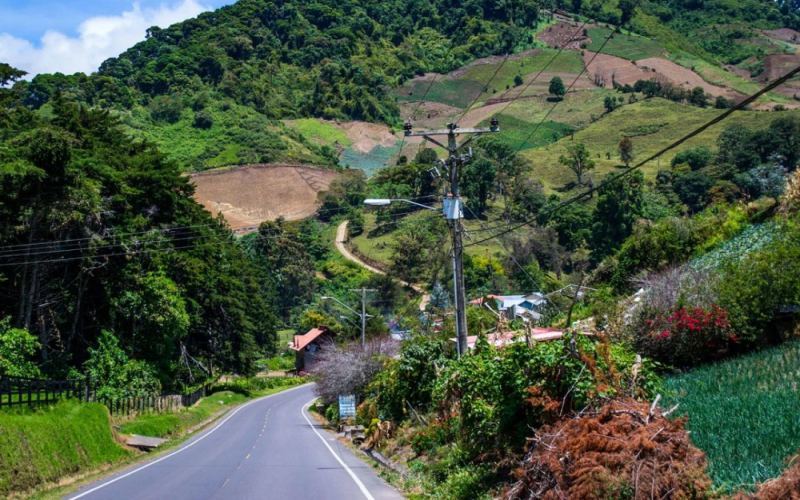
Central America vs. South America Coffee Flavor Comparison: Panama, Colombia, Costa Rica, Brazil, and Honduras Famous Regions Explained
Central and South America are the core regions of the global specialty coffee world. Central American coffees are mostly grown in high mountain areas at elevations of 1,600 to 1,700 meters, where the significant temperature difference between day and night lengthens the fruit ripening cycle, which in turn increases bean density, and the cup profile often shows soft acidity, good cleanliness, and medium body. Through cupping, Front Street Coffee has found that the flavor differences among producing countries are quite distinct. This article will examine one by one the coffee characteristics of five well-known producing countries: Panama, Colombia, Costa Rica, Brazil, and Honduras, covering their main producing regions, elevation conditions, representative estates, and cupping performance, and will also include information on several representative coffee beans currently sold by Front Street Coffee along with brewing flavor descriptions, providing coffee lovers with a complete reference on regional flavors. [more…]